

Feeling the itch to explore the Amazon rainforest or walk the neon-lit streets of Tokyo, but your bank account or schedule says otherwise? You are certainly not the only one. Becoming an armchair adventurer might just be the perfect solution for satisfying that wanderlust without leaving home. In a landscape where technology bridges the gap between reality and imagination, exploring the globe from a living room has never been more accessible or immersive. This guide dives deep into how anyone can satisfy their curiosity for the world without packing a suitcase, navigating airport security, or spending a fortune. By the end of this read, you will have a complete toolkit to turn a quiet evening at home into a thrilling expedition.

Understanding the Concept of an Armchair Adventurer
The idea of exploring the world through books, maps, and screens is not new, yet the depth of the experience has changed dramatically. An armchair adventurer is someone who seeks to witness the thrill of travel, the beauty of distant landscapes, and the richness of foreign cultures without physically relocating. It is not about laziness; rather, it is about curiosity and making the vast world accessible regardless of physical or financial constraints.
Definition and Origins
Historically, this term described people who read adventure novels or pored over heavy atlases. Think of the Victorian era, where illustrated newspapers brought news of distant expeditions to the general public. Today, the definition has expanded significantly. It now encompasses anyone using virtual reality, high-definition documentaries, interactive maps, and immersive audio to simulate a journey.
Key characteristics often include:
- A strong desire to learn about geography and history.
- The use of digital tools to replicate sensory experiences.
- A focus on safety and comfort while exploring dangerous or remote locations.
- The ability to travel instantly between continents.
It is vital to understand that this approach does not replace physical trips; it complements them. For many, it serves as a research phase before a real vacation, while for others, it stands as the primary way they engage with the globe.
Why People Choose Armchair Adventuring
There are countless reasons why someone might opt for a virtual journey over a physical one. Financial limitations are a significant factor, as international flights and hotels are expensive. However, health concerns, mobility issues, or anxiety about flying also play huge roles. Furthermore, some regions are politically unstable or environmentally fragile, making physical tourism unethical or dangerous.
According to a laboratory experiment published in the Journal of Environmental Psychology, researchers found that watching high-quality nature footage—on TV or in VR—significantly reduced boredom and negative emotions such as sadness, with interactive VR also increasing positive feelings like happiness. (2020, University of Exeter)
“Our results show that simply watching nature on TV can help to lift people’s mood and combat boredom.” — Nicky Yeo, lead researcher at the University of Exeter.
The Rise of Virtual Travel Experiences
The rapid advancement of technology has transformed passive observation into active participation. We have moved from looking at static photos to walking through 3D-rendered cities. Companies and tourism boards now invest heavily in 360-degree videos and interactive tours. This shift means the barrier to entry is lower than ever. You do not need a pilot’s license to fly over the Grand Canyon anymore; a decent internet connection suffices.
“I only went out for a walk and finally concluded to stay out until sundown, for going out I found, was really going in.” — John Muir, American naturalist and writer; quoted in John of the Mountains.
A New Way to See the World
We are witnessing a trend where museums, national parks, and historical sites are digitizing their collections. This democratization of access ensures that a student in Ohio can examine artifacts in the Louvre in Paris without buying a plane ticket.
The most authentic way to explore from home is to treat the virtual experience with the same respect as a physical one: set aside dedicated time, remove distractions, and truly immerse yourself in the content.
The shift is undeniable. As internet speeds increase, the fidelity of these experiences will only get better, blurring the line between being there and seeing it on a screen.

Exploring Armchair Adventurer Photos
Visuals are the lifeblood of virtual travel. High-quality imagery can transport a viewer instantly, evoking emotions that text alone cannot. Finding and organizing the right armchair adventurer photos is an art form that enhances the feeling of presence.
Popular Sources for Armchair Adventurer Photos
Not all images are created equal. When searching for armchair adventurer photos, one must look for high-resolution, uncompressed images that capture the atmosphere, not just the landmark.
- National Geographic & Geo-focused Magazines: These remain the gold standard for professional photography.
- Unsplash & Pexels: Great for royalty-free, high-quality artistic shots that often capture mood better than standard stock files.
- Flickr Groups: Dedicated communities often upload raw, unedited armchair adventurer photos that show the gritty reality of a location.
- NASA Image Gallery: For those who want to explore beyond Earth, this is an unmatched resource.
- Google Arts & Culture: Offers ultra-high-resolution zooms of art and historical sites.
How to Curate Your Own Collection
Collecting armchair adventurer photos is about more than just saving files; it is about building a personal travelogue. Organizing these images effectively allows for a seamless “trip” when you are ready to relax.
Step-by-Step Guide to Curating a Virtual Gallery:
- Define Your Destination:Decide on a theme for your collection. Are you looking for armchair adventurer photos of the Swiss Alps or the streets of Marrakech? Narrowing the focus helps create a narrative.
- Select the Platform:Pinterest is excellent for mood boards. However, for a more immersive experience, use a digital photo frame or a dedicated folder on a 4K TV that runs a slideshow.
- Prioritize Resolution:Always filter your search for “Large” or “High Resolution.” Armchair adventurer photos that are pixelated break the immersion immediately.
- Mix Perspectives:Don’t just save wide landscape shots. Include macro shots of food, textures of buildings, and portraits of locals. A good collection of armchair adventurer photos tells a story from multiple angles.
- Add Ambient Audio:Pair your slideshow with ambient noise from that specific location (e.g., café sounds, jungle rain) to heighten the realism.
The Role of Photography in Virtual Exploration
Photography does more than document; it interprets. When you look at armchair adventurer photos, you are seeing the location through the photographer’s eyes. This subjective view adds a layer of emotional depth.
Creating Emotional Connections
High-quality armchair adventurer photos can trigger a psychological response known as “awe.” This feeling of vastness and wonder is crucial for the experience. Whether it is a sunset over Santorini or the northern lights in Iceland, the right armchair adventurer photos can lower cortisol levels and induce relaxation.
Many enthusiasts spend hours hunting for rare armchair adventurer photos of abandoned places or deep-sea vents, proving that the hunt for the image is an adventure in itself. By curating these armchair adventurer photos, you effectively become the director of your own documentary.
This is a great example of “visual-first” armchair travel: long, steady aerial shots let your brain settle into the scene instead of chasing jump cuts. Try watching it on a large screen and pairing it with low-volume ambient audio to deepen immersion. If you’re building a photo collection, pause on locations you want to “save” and use them as destination prompts.
Navigating Armchair Adventurer Prices
One of the biggest misconceptions is that virtual travel is always free. While many resources are, high-end experiences come with costs. Understanding armchair adventurer prices helps you budget for the best equipment and subscriptions without overspending.
Cost of Virtual Travel Experiences
When analyzing armchair adventurer prices, we generally look at two categories: hardware and content. The hardware, such as VR headsets or high-end monitors, represents a one-time investment. Content, like app subscriptions or pay-per-view tours, creates recurring costs.
Most people start with zero investment, using a smartphone or laptop. However, as the hobby grows, armchair adventurer prices can creep up. A quality VR headset might cost between $300 and $1,000. Specialized software like “Supernatural” or “Wander” has monthly fees. It is essential to weigh these armchair adventurer prices against the cost of a physical plane ticket—usually, the virtual route is drastically cheaper, but it is not always “free.”
Budget-Friendly Options for Armchair Adventurers
If you are intimidated by high armchair adventurer prices, do not worry. The internet is full of free or low-cost alternatives that deliver 90% of the value.
- Public Libraries: Many libraries in the US offer access to subscription databases or even lend out VR equipment.
- YouTube VR: This is completely free and offers thousands of 360-degree videos.
- Google Earth: The browser version is free and powerful.
- Free Tiers of Apps: Many travel apps have a “freemium” model where basic tours are free, helping you avoid premium armchair adventurer prices.
Never invest in expensive VR hardware until you have exhausted every free resource available on your current devices; the content matters more than the screen resolution.
Comparing Prices of Various Platforms
To help you understand the landscape of armchair adventurer prices, here is a comparison of popular tools and their associated costs.
| Platform / Tool | Cost Type | Estimated Price | Best For |
| Google Earth VR | Free | $0 (Requires Hardware) | Exploration & Geography |
| Wander App (Oculus) | One-time | ~$10 | Street View immersion |
| National Geographic Premium | Subscription | ~$30 / year | High-quality articles & photos |
| Rouvy / Zwift | Subscription | ~$15 / month | Cycling/Running through virtual landscapes |
| Heygo / Virtual Tours | Tips/Per Tour | Varies ($5-$20) | Live guided tours with real guides |
This comparison shows that armchair adventurer prices are flexible. You can spend zero dollars and still see the world, or you can pay a monthly fee for guided, interactive experiences. The “Wander” app is often cited as the best value for money regarding armchair adventurer prices because it offers the entire world (via Street View) for a remarkably low one-time fee.
According to Grand View Research’s Virtual Tourism Market report, the global virtual tourism market was estimated at $8.05 billion in 2024 and is projected to reach $30.54 billion by 2030, highlighting rapid growth in premium at-home travel experiences. (2024, Grand View Research)
Checking armchair adventurer prices regularly is smart, as software sales and hardware discounts happen frequently, especially around holidays.
Evaluating Armchair Adventurer Reviews
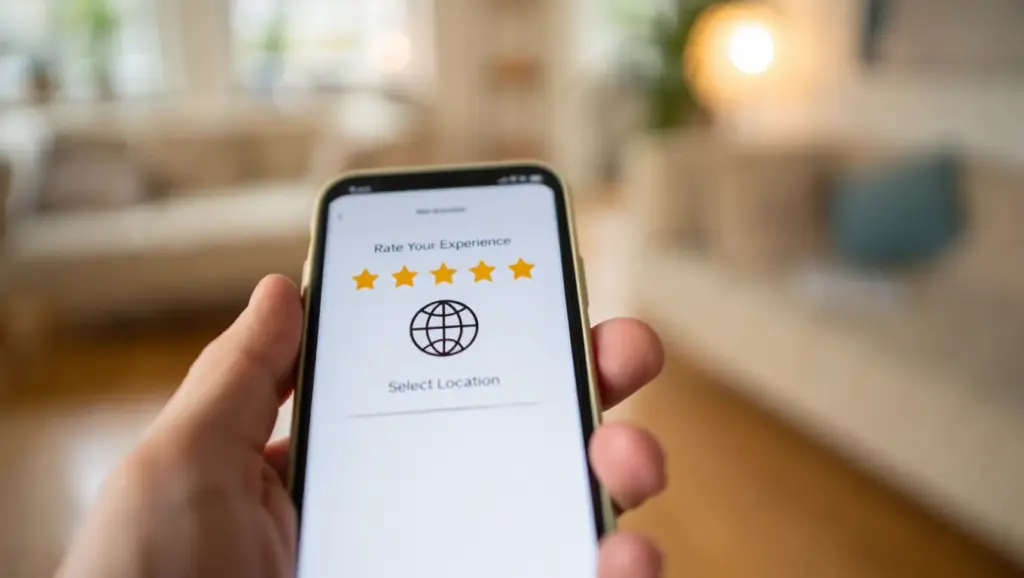
With so many apps and gadgets on the market, reading armchair adventurer reviews is critical to avoid wasting money on glitchy software or low-resolution tours. User feedback often reveals the details that marketing materials hide.
Top Rated Armchair Adventure Platforms
When you look at armchair adventurer reviews, certain names consistently rise to the top. Google Earth VR creates a “Superman” effect that users love. Apps like “BRINK Traveler” get high marks for photorealism.
The best armchair adventurer reviews usually highlight immersion and ease of use. If an app requires a degree in computer science to set up, it typically gets poor ratings from the casual user.
Common Feedback from Users
Reading through armchair adventurer reviews reveals common pain points. Motion sickness is the number one complaint in VR travel reviews.
- Motion Sickness: Positive armchair adventurer reviews often mention “teleport” features which reduce nausea compared to “smooth locomotion.”
- Resolution Issues: Users are quick to leave negative armchair adventurer reviews if the imagery looks blurry on large screens.
- Content Library: Apps that do not update their locations frequently tend to suffer in armchair adventurer reviews over time.
How to Choose Based on Reviews
Do not just look at the star rating. When analyzing armchair adventurer reviews, look for comments from users who have similar hardware to yours. A 5-star review from a user with a $3,000 PC might not apply to someone using a basic laptop.
Mini-Checklist for Reading Reviews:
- Check the Date: Are the armchair adventurer reviews recent? Software updates break things often.
- Look for “Immersion”: Does the reviewer mention forgetting they were in a room?
- Hardware Specs: Did the reviewer mention lag or overheating?
- Audio Quality: Do the armchair adventurer reviews mention sound? Audio is 50% of the experience.
- Replay Value: Is it a one-time view or something they return to?
Analyzing User Sentiment
Reliable armchair adventurer reviews will often compare the virtual experience to the real place. If a local from Rome says the virtual tour feels authentic, that is the highest praise possible. Conversely, skepticism is healthy. Some armchair adventurer reviews are incentivized. Look for balanced critiques that list both pros and cons.
“The true fruit of travel is perhaps the feeling of being nearly everywhere at home.” – Freya Stark, British Explorer. (A sentiment often echoed in reviews by users who feel connected to places they have never physically visited).

Benefits of Being an Armchair Adventurer
While some critics dismiss it as “fake” travel, the benefits are tangible and profound. It opens doors that physical reality sometimes keeps shut.
Cultural Enrichment Without Traveling
Learning about other cultures reduces prejudice and fosters empathy. You can watch a documentary about tea ceremonies in Japan and understand the nuance of respect and patience without being there. You can read translated literature that gives you a window into the soul of a nation. This intellectual engagement is often deeper than what a tourist experiences while rushing from one selfie spot to another.
Accessibility for All Ages and Abilities
For the elderly or those with disabilities, the world can become very small. Armchair adventuring breaks down these walls. A person in a wheelchair can virtually hike the Appalachian Trail. A senior citizen can revisit the Paris of their youth through historical archives. This accessibility is perhaps the most noble aspect of the technology.
Environmental Advantages
We cannot ignore the climate crisis. Air travel is a massive contributor to carbon emissions. By choosing to explore virtually, you are making an eco-friendly choice.
A 2025 open-access review argues that Virtual Reality can provide immersive alternatives that expand access to tourism while also alleviating pressure on vulnerable cultural and natural heritage sites. (2025, Elsevier / Sustainable Cities and Society: Advances)
How to Maximize These Benefits (Step-by-Step)
- Set an Intention:Before you start, decide what you want to learn. Is it history, language, or geography? Intentionality changes a passive activity into an active learning session.
- Engage Multiple Senses:Don’t just watch. Cook a meal from that region. If you are “visiting” Italy, make fresh pasta. Scent and taste are powerful memory anchors.
- Journal Your Experience:Write down what you saw and felt. This cements the memory just like a travel diary would.
- Share the Experience:Cast your screen to the TV and invite family. Discussing what you see creates a shared memory, mimicking the social aspect of travel.

How to Enhance Your Armchair Adventurer Experience
To truly transition from “watching a video” to “adventuring,” you need to optimize your environment. The difference between a good experience and a great one often lies in the setup.
Using Technology to Your Advantage
You do not need a spaceship, but a few upgrades help. A 4K monitor makes a world of difference compared to a phone screen. Noise-canceling headphones are non-negotiable; they block out the sound of the dishwasher or traffic, allowing the soundscape of the Amazon to take over.
Sensory Enhancement Setup
| Component | Recommendation | Impact on Experience |
| Visual | VR Headset or Large 4K TV | High. Fills peripheral vision. |
| Audio | Noise-canceling Headphones | Critical. Creates audio immersion. |
| Scent | Essential Oil Diffuser | Subtle. Triggers memory (e.g., Pine for forests). |
| Comfort | Recliner or Gaming Chair | Medium. Prevents physical distraction. |
| Taste | Thematic Snacks | High. Connects taste to visuals. |
Small sensory inputs, like scent and taste, bridge the gap that technology hasn’t quite crossed yet. While visuals are the heavy lifters, audio and scent seal the deal.
Engaging with Online Communities
Adventure is better shared. Platforms like Reddit (r/GoogleEarthFinds or r/VirtualTravel) allow users to share coordinates of strange and beautiful things they have found. These communities act as guidebooks, offering “itineraries” for your digital trips.
Creating a Comfortable Viewing Environment
Lighting is key. Glare on a screen kills immersion. Dim the lights or use bias lighting behind your monitor to reduce eye strain. Ensure the room temperature is comfortable. The goal of your setup should be to remove all friction between you and the experience; finding the ideal cozy seating arrangement ensures you can relax for hours without discomfort.
The goal of your setup should be to remove all friction between you and the experience; if you have to constantly adjust your seat or squint at the screen, the illusion breaks.
This short demo shows why Google Earth VR is often described as the closest thing to “instant teleportation” from home. Pay attention to how scale changes your sense of distance—cities feel miniature, then suddenly life-sized when you drop into Street View. It’s a useful preview for beginners before investing time into longer VR tours.
Future Trends in Armchair Adventuring
The technology is moving fast. What looks like magic today will be standard tomorrow. The future promises to blur the lines even further.
The Impact of Virtual Reality
VR is getting lighter, cheaper, and higher resolution. The “screen door effect” (seeing the pixels) is vanishing. Future headsets will likely track eye movement to focus resolution exactly where you are looking, making the experience indistinguishable from reality.
Incorporating Augmented Reality
While VR replaces the world, AR adds to it. Imagine pointing your phone at a map on your wall, and a 3D hologram of the terrain pops out. Or wearing smart glasses that turn your backyard into a botanical garden. AR will bring the adventure into our physical space.
The Role of Al in Personalized Travel Experiences
Artificial Intelligence will act as the ultimate tour guide. It will learn your preferences—that you love architecture but hate crowds—and generate custom virtual tours. It might even simulate conversations with historical figures using natural language processing.
“We are moving from the age of information to the age of experience.” – This is a common sentiment among VR developers, highlighting that users no longer just want to read about a place; they want to feel it.

FAQ
Can armchair adventuring really replace actual travel?
No, it cannot fully replicate the wind in your face, the serendipitous meetings with strangers, or the smell of a busy street market. However, it is a powerful alternative that offers education, relaxation, and visual stimulation without the logistical hassles of physical trips.
Do I need a VR headset to be an armchair adventurer?
Absolutely not. While VR provides the deepest immersion, millions of people enjoy exploring via high-definition documentaries, interactive web maps, books, and 4K YouTube videos on their laptops or televisions.
Is this hobby expensive to get into?
It creates very little financial barrier. You can start for free using the device you are reading this on. Armchair adventurer prices only rise if you decide to invest in premium VR gear or paid subscription platforms, but those are optional.
How can I prevent motion sickness in VR travel?
Start with “room-scale” experiences where you don’t move virtually, or use “teleportation” movement settings rather than smooth walking. Unexpected motion confuses the inner ear. Taking breaks every 15 minutes helps significantly.
What are the best apps for beginners?
Google Earth is the undisputed king for general exploration. For structured tours, verify armchair adventurer reviews for apps like “Wander” (on Oculus) or check out the arts and culture sections on the Google Arts & Culture app for mobile.
Conclusion
Being an armchair adventurer is about more than just staring at screens; it is a mindset of curiosity and appreciation for the planet we call home. We have covered how to define this unique hobby, where to find the best photos, how to navigate costs, and the importance of vetting software through reviews. Whether you are doing this to save money, protect the environment, or simply unwind after a long week, the world is quite literally at your fingertips.
Now is the time to take action. Don’t just bookmark this page. Tonight, pick a country you know nothing about. Find a 4K walking tour of its capital on YouTube, dim the lights, and let yourself be transported. You might be surprised at how much you can discover without ever opening your front door. And if your virtual plans turn into a real O‘ahu itinerary later, start with a low-stress Honolulu stop that’s easy to navigate
To help you get started immediately, I have prepared a practical downloadable resource. It includes a list of free software, a setup guide for your living room, and a template for planning your virtual “itineraries.”

Where is the first place you want to visit virtually? Leave a comment below with your dream destination, and let’s see if we can find a great virtual tour for it!
Sources
- What is the best way of delivering virtual nature for improving mood?: An experimental comparison of high definition TV, 360º video, and computer generated virtual reality — 2020, University of Exeter (UK) / Journal of Environmental Psychology.
- Virtual Tourism Market (2025 – 2030) Size, Share & Trends Analysis Report — 2024, Grand View Research (U.S.).
- Exploring equitable opportunities and cultural preservation in smart tourism through sustainable and accessible Virtual Reality — 2025, Sustainable Cities and Society: Advances (Elsevier).
- Nicky Yeo, 2020, Watching nature on TV can boost wellbeing, finds new study.
- John Muir, 1938, John of the Mountains (quoted on National Park Service website).