
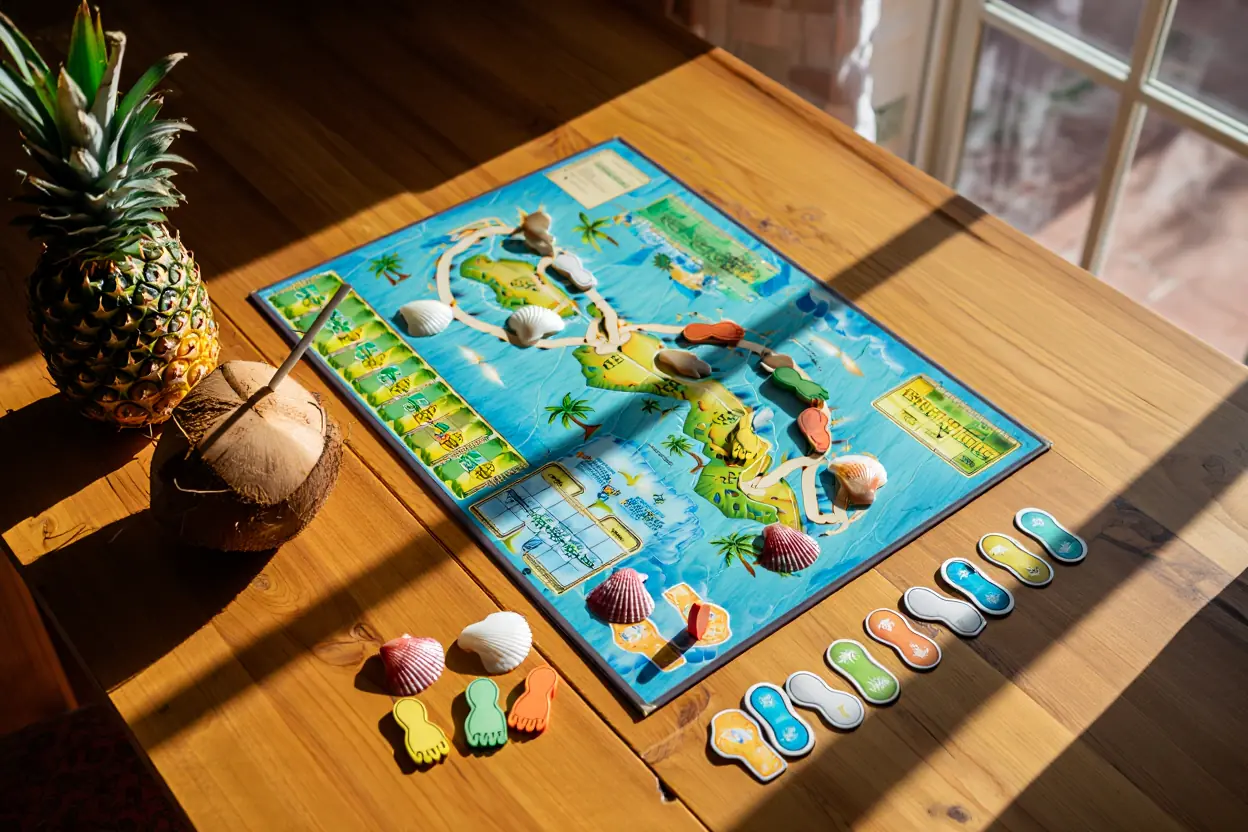
Imagine craving the strategic depth of a complex tabletop experience but feeling burnt out by the drab, medieval themes dominating the market. Finding a Hawaii board game that offers both a refreshing tropical aesthetic and a rigorous mental challenge is surprisingly difficult in a sea of generic titles. Ignoring this genre means missing out on unique resource mechanics that sharpen cognitive skills while providing a necessary mental escape from daily stress. This guide breaks down how to master island economics, locate rare out-of-print copies without overpaying, and select the perfect version for your table, ensuring every game night becomes a rewarding journey, complete with a downloadable inspection tool at the end.
Introduction to the Hawaii Board Game
When enthusiasts sit down to a session, they are often surprised by the depth disguised behind the colorful, tropical artwork. A Hawaii board game is rarely just about rolling dice and moving a pawn; it is usually a complex exercise in resource management, spatial planning, and economic efficiency. The most famous title simply called Hawaii, published by Hans im Glück and Rio Grande Games, sets the standard for this genre. It challenges participants to build villages, attract kahunas, and manage a unique currency system involving feet (movement) and shells (buying power).
The allure of these titles lies in their ability to simulate the growth of a civilization within a confined, island environment. Individuals are not just collecting points; they are managing the delicate balance of an ecosystem. This requires forward-thinking and adaptability, as materials on an atoll are finite and competition is fierce.
What is the Hawaii Board Game?
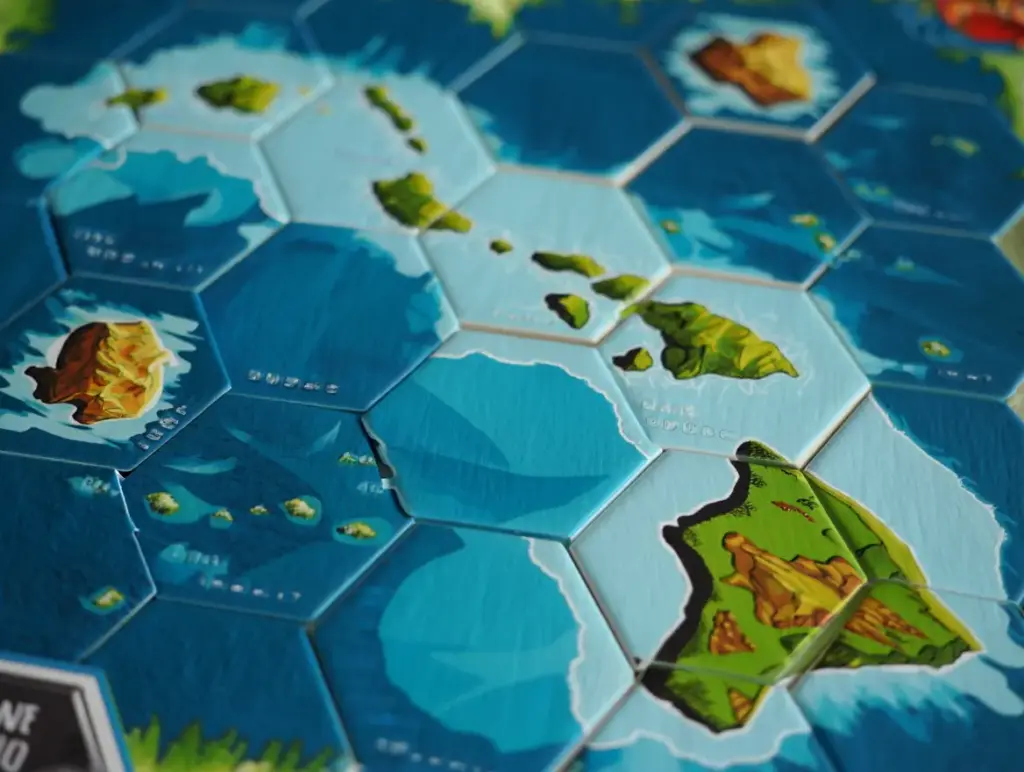
At its core, the primary Hawaii board game discussed by experts is a medium-weight strategy challenge designed for 2 to 5 participants. The central map represents the landmass, while individual mats represent the villages each chieftain is trying to expand. Unlike simple luck-based activities, this product relies on a variable setup. The territory gets constructed differently every time, ensuring that no two matches play out exactly the same way.
Competitors act as leaders navigating their explorers around the archipelago to gather goods. The title distinguishes itself with a dual-currency system. You need “feet” to travel to different locations and “shells” to purchase the tiles found there. This creates a constant tension: a leader might have enough money to buy a boat, but if they do not have the movement points to reach the harbor, that wealth is useless.
History and Origin of the Game
The strategy title Hawaii was released in 2011, designed by Greg Daigle. It arrived during a golden era of “Euro-games”—a style of design emphasizing strategy over luck, indirect conflict, and economic themes. Daigle created a system that was lauded for its innovative movement mechanic and the modular nature of the central map.
While modern entertainment has evolved, this specific release remains a cult classic. It captured the imagination of the industry because it moved away from the typical farming or trading tropes common in European imports. Instead, it embraced Polynesian culture, using aesthetics and terminology (like Kahuna and Tikis) to flavor the mathematical puzzle.
Popularity and Cultural Impact
The fame of the product stems from its perfect balance of accessibility and depth. It is approachable enough for a family with older children but deep enough to keep hardcore strategists engaged. Over the years, it has influenced how designers think about modular boards and spending mechanics.
According to a 68-year longitudinal cohort study, more frequent analog game playing was associated with higher cognitive performance at age 70 and with less cognitive decline from ages 70 to 79 (2019, University of Edinburgh).
“For those in their 70s or beyond, another message seems to be that playing non-digital games may be a positive behavior in terms of reducing cognitive decline,” says Dr. Drew Altschul, a psychologist at the University of Edinburgh’s School of Philosophy, Psychology and Language Sciences.
This cognitive benefit is a major driver for the resurgence of complex tabletop activities in American households. Families are increasingly turning to a Hawaii board game not just for fun, but for the mental workout it provides.
If you learn faster by watching, a quick walkthrough makes the dual-currency system click immediately. The video below shows how movement (“feet”) and purchasing (“shells”) trade off from turn to turn and what a typical round looks like. Watch it once, then come back to the strategy section—you’ll spot the key decision points right away.
How to Play the Hawaii Board Game
Mastering the archipelago requires a firm grasp of the mechanics. The Hawaii board game rules can seem intimidating at first glance due to the number of tiles and tokens, but they follow a logical flow. The match is played over five rounds, and in each phase, participants spend their assets to improve their settlements.
The pace is dictated by the players’ supplies. Once everyone has passed because they ran out of shells or feet, the period ends. This makes efficiency the priority. You want to squeeze every last drop of utility out of your turn before the sun sets on the current round.
Hawaii Board Game Rules
The foundational concept of the Hawaii board game rules is the distinction between buying and traveling. Every turn, a competitor moves their chieftain to a spot on the central map. The distance determines the cost in “feet.” Once there, they pay “shells” to acquire the item available at that destination.
One specific nuance in the Hawaii board game rules that trips up beginners is the placement of buildings. You cannot just place a hut anywhere; it must fit logically into the grid on your personal mat. Furthermore, obtaining points often requires collecting sets of fruit or attracting Gods (Kahunas) to your settlement, which is governed by a strict set of criteria found in the manual.
Always prioritize movement efficiency over pure purchasing power in the early stages. A chieftain with a mountain of shells who cannot afford the travel cost to reach the market will lose to a mobile rival every time.
Setting Up the Game
Proper preparation is crucial for a balanced experience. Because the play area is modular, you must assemble the frame and distribute the location tiles randomly (or according to a suggested layout for novices).
Step-by-Step Setup Guide
- Construct the Island: Connect the puzzle-piece frame to create the ocean border. Place the ten location tiles inside the borders.
- Populate Locations: Sort the building tokens (huts, boats, longhouses) and position them on their corresponding spots on the main map.
- Prepare Player Boards: Give each person a village mat, a screen to hide assets, and their starting currency (usually a mix of shells and feet).
- Seed the Kahunas: Shuffle the God tiles and set them near the score track; these will be the scoring goals for the session.
- Determine Turn Order: Randomly select a start leader. This is vital as the Hawaii board game rules favor those who act first in the initial rounds.
Because sessions often run 60–90 minutes, a supportive chair setup matters as much as strategy for staying sharp.
Winning Strategies and Tips
Victory isn’t just about constructing the biggest settlement; it requires synergy. A common mistake is buying whatever is cheapest. Instead, look at the Kahuna tokens. These offer bonus points for specific achievements, like having the most boats or the greatest variety of fruit.
- Diversify Early: Do not put all your efforts in one area. Grab a resource engine quickly.
- Watch Opponents: Since tile supplies are limited, if you see a neighbor hoarding bananas, pivoting to fishing boats might be smarter.
- End Game Sprints: In the final phase, the Hawaii board game rules allow for converting leftover supplies into points, but the ratio is poor. It is better to spend everything on tangible assets.
Exploring the Best Hawaii Board Games
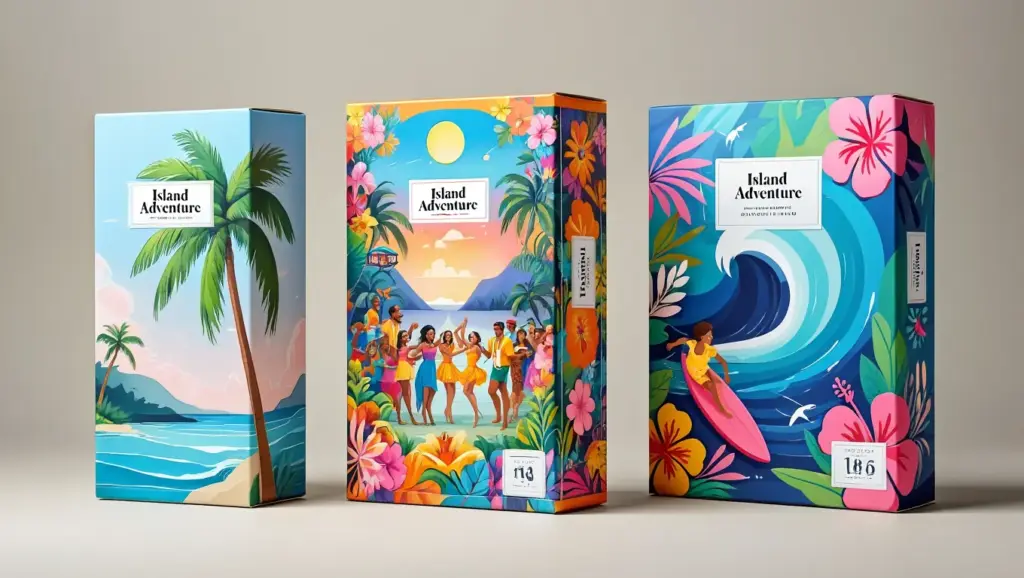
While the Rio Grande title is the most famous, the search for the best Hawaii board game can lead to several interesting variations. The “top” choice depends heavily on the group playing. Some want heavy economics, while others desire a light-hearted romp through a tiki paradise.
Serious thinkers almost always point to Hawaii (2011) as the pinnacle. However, for households, titles like Tiki Topple or the Catan: Seafarers expansion (which includes tropical scenarios) often rank highly. Identifying the best Hawaii board game requires knowing your audience’s tolerance for complexity.
Top Picks for the Best Hawaii Board Game
When enthusiasts discuss the best Hawaii board game, three titles usually dominate the conversation. First is the aforementioned self-titled Hawaii, known for its strategic depth. Second is Fire & Axe, which, while Viking-themed, often gets compared in mechanics, though strictly tropical alternatives include Haleakala, a title about the volcano.
Third, for a lighter approach, Maui by Plan B Games has recently entered the discussion. It involves placing towels on a beach to score points, offering a visually stunning and relaxing alternative to the heavier strategy titles. Many claim Maui is the best Hawaii board game for casual couples.
Comparison of Popular Hawaii Board Games
To help decide which box fits your table, here is a comparison of the top contenders.
| Game Title | Complexity | Best Player Count | Primary Mechanic | Game Length |
| Hawaii (2011) | Medium-Heavy | 3-4 Players | Worker Placement / Grid Building | 60-90 Mins |
| Maui | Light-Medium | 2 Players | Pattern Building | 30-45 Mins |
| Tiki Topple | Light | 3-4 Players | Hidden Objectives / Card Play | 20 Mins |
This table highlights that while the classic Hawaii offers deep engagement, Maui serves as a faster, more visually accessible option. If you are looking for the best Hawaii board game for a party, Tiki Topple wins; for a night with thinkers, the 2011 classic reigns supreme.
User Reviews and Recommendations
Veteran gamers often praise the replayability of the genre. On BoardGameGeek, a leading database, users frequently note that the variable setup of Hawaii keeps it fresh even a decade after release.
Renowned reviewer Larry Levy highlighted the game’s replayability in a written review (The Opinionated Gamers, 2012):
“A different arrangement of price tokens each round and a different setup of locations every game; variety really is the spice of life in Hawaii.” — Larry Levy, board game reviewer at The Opinionated Gamers.
This tension is exactly why it remains a contender for the best Hawaii board game despite its age.
Where to Buy Hawaii Board Games
Finding a Hawaii board game for sale can be an adventure in itself, especially for the out-of-print classic title. While modern releases like Maui are readily available at big-box retailers, the 2011 strategy box often requires hunting in the secondary market. You likely won’t walk into a Target and see the classic Hawaii board game for sale on the shelf today.
The scarcity drives the price up, so knowing where to look is essential to avoid overpaying. Collectors often list their copies when they are downsizing, which is the prime opportunity to strike.
Hawaii Board Game for Sale: Online Retailers
The first stop for finding a Hawaii board game for sale should be specialized hobby sites. The BoardGameGeek GeekMarket is a treasure trove for serious gamers. Unlike general auction sites, the sellers here know how to grade condition accurately.
eBay is the next logical step, but buyers must be wary of price gouging. When you see a Hawaii board game for sale there, check the “sold listings” to see what people are actually paying, rather than the asking price. Amazon third-party vendors also occasionally list new copies, but these are often priced at a premium due to rarity.
Local Stores Offering Hawaii Board Games
Don’t underestimate your Local Game Store (LGS). Even if they don’t have a new Hawaii board game for sale, many shops now have “used” sections or consignment shelves. It is not uncommon to find a gently played copy of Hawaii sitting on a dusty rack for a fraction of the online cost.
Thrift shops in larger cities are another option. It is a long shot, but finding a Hawaii board game for sale at a Goodwill is the stuff of legend in the collecting community.
Tips for Finding the Best Deals
If you are determined to find a Hawaii board game for sale without breaking the bank, patience is your best currency.
Buying Checklist for Used Games
- Verify Component Count: Before handing over cash, check the manual for the parts list. Ensure all wooden feet, shells, and meeples are present.
- Check for Sun Damage: Box art fading often indicates the item was stored poorly, which might mean warped boards inside.
- Ask About Smoke: Cardboard absorbs odors. A box from a smoker’s home is often unplayable for sensitive people.
- Look for Bundles: Sometimes a seller has a Hawaii board game for sale as part of a larger “lot.” Buying the group and reselling the extras can effectively make the desired item free.
Never purchase an out-of-print title that uses “stock photos” on the listing. Always demand current, time-stamped images of the actual box contents to ensure you aren’t buying an empty package or a battered copy.
Unique Features of Hawaii Board Games
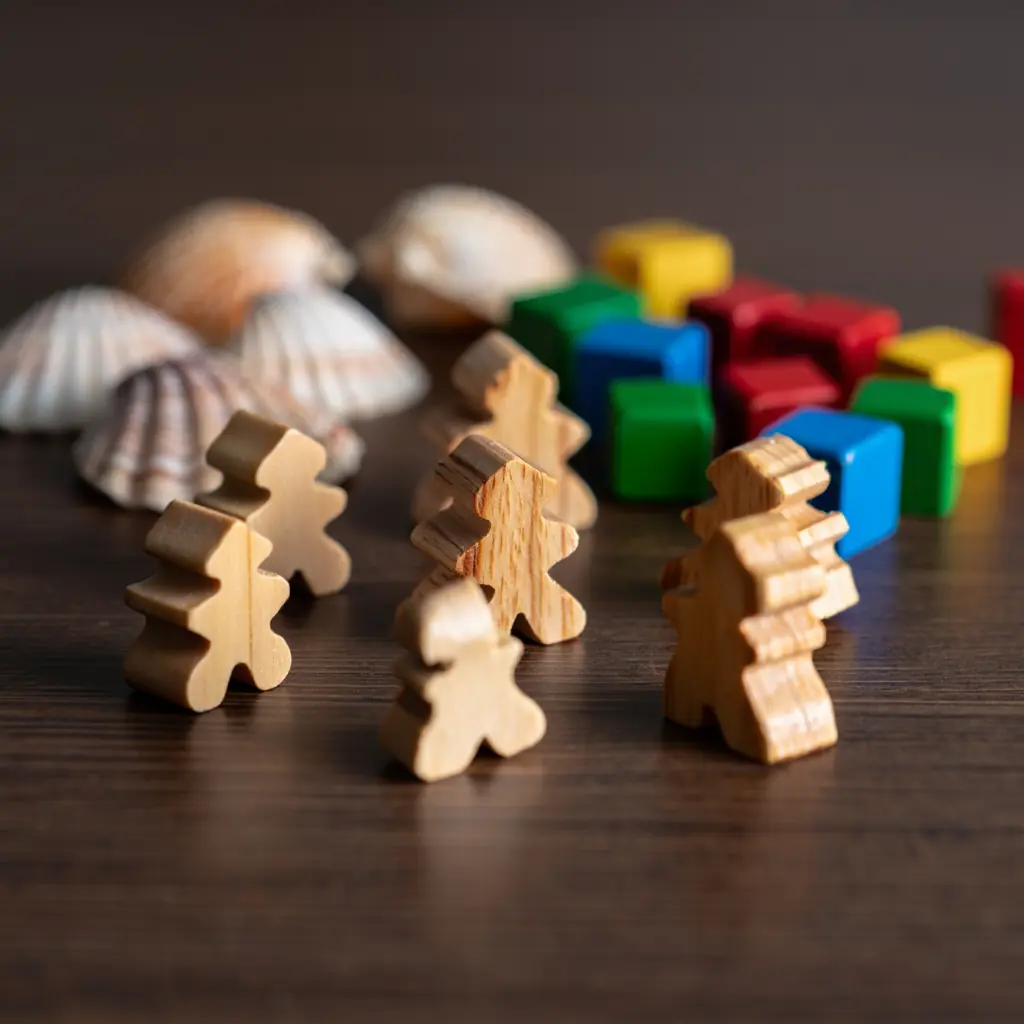
What separates a generic tropical activity from a truly great experience? The Hawaii board game rules often dictate the feel, but the physical production and thematic integration seal the deal. The use of wooden components and vibrant art helps sell the fantasy of island life.
Themes and Artwork
A great Hawaii board game leans heavily into the color palette: teals, vibrant greens, and sandy beiges. The artwork isn’t just decoration; it serves a functional purpose by clearly distinguishing different territories and resource types. In Hawaii, the personal mats effectively mimic a growing village, providing a satisfying visual progression as you fill empty spots with huts and vegetation.
Components and Quality
The “feet” tokens are perhaps the most iconic component of the 2011 release. In an industry dominated by cubes and discs, having custom-shaped wooden feet and seashells was a novelty that added tactile joy to the Hawaii board game rules of movement and spending.
Research on the “enactment effect” shows that physically performing meaningful actions can improve later recall compared with purely verbal learning, helping explain why hands-on tabletop play can feel more memorable (2012, University of Alberta).
High-quality parts make the match feel premium and justify the effort of tracking down a Hawaii board game for sale.
Before you buy second-hand (especially out-of-print), it helps to see exactly what should be in the box. The unboxing below gives a clear look at the components and how they’re packaged, which makes it easier to spot missing pieces in resale listings. Use it as a quick visual checklist before you commit.
Educational and Entertainment Value
Beyond the fun, these titles teach resource scarcity. The island setting is a perfect closed economy. Participants learn that taking goods depletes them for others, a lesson in ecology and economics.
Dr. Kelli Dunlap, a clinical psychologist and game designer, has frequently discussed how tabletop activities create “magic circles” where safe experimentation with risk and social negotiation can occur (Source: Psychology of Games podcast). This makes a Hawaii board game a safe space to practice negotiation and long-term planning.
The most underrated feature of these games is the “spatial puzzle” aspect. It is not enough to just buy a building; you must have the physical space and correct orientation to place it, teaching valuable lessons in urban planning on a micro scale.
Frequently Asked Questions About Hawaii Board Games
Is the Hawaii board game suitable for two players?
Yes, the match scales very well. The Hawaii board game rules include adjustments for the modular map setup, shrinking the island size to ensure that a pair of rivals still faces tight competition for resources and locations.
How long does a typical game take to learn?
For someone new to modern tabletop hobbies, expect a learning curve of about 30 to 45 minutes to fully grasp the Hawaii board game rules. Once understood, actual gameplay moves quickly, usually finishing in under 90 minutes.
Why is the game so expensive on eBay?
The high cost when you find a Hawaii board game for sale is due to it being out of print (OOP). Demand from collectors remains high, but supply is static, driving up the asking amount for pristine copies.
Are there expansions for the Hawaii board game?
There are no major “big box” add-ons, but there are small promotional items (mini-expansions) that were released at conventions. These are even harder to find than the base Hawaii board game for sale.
Is this game language-dependent?
Mostly, no. The product relies on iconography rather than text on the cards and tiles. As long as one person can read the Hawaii board game rules in English (or your native language), the rest of the group can play without reading paragraphs.
Conclusion: Enjoying the Hawaii Board Game Experience
Diving into a Hawaii board game is more than just a pastime; it is a mental exercise wrapped in a tropical vacation. Whether you manage to snag the classic Rio Grande title or opt for a modern successor like Maui, the experience brings people together through shared problem-solving and friendly competition. The blend of strategy, resource management, and beautiful aesthetics makes it a standout genre in the tabletop world.
To get the most out of it, start by reading the manual thoroughly before your friends arrive. If you currently lack opponents for such complex titles, finding a dedicated gaming crew online or locally is the best way to get this gem to the table often. Look for deals on the secondary market if you want the classic experience, or visit your local store for modern alternatives. The key is to embrace the theme—put on some island music, pour some cold drinks, and enjoy the tactical depth these boxes offer.
Would you like me to help you find a digital version or a simulator of the Hawaii board game so you can try it before you buy?
Ready to start your collection? Before you scour eBay, download our “Used Board Game Inspection Checklist” below. It guides you through exactly what to ask sellers to ensure you don’t get ripped off on rare games.

Have you ever played a board game that completely transported you to a different place? Tell us about your favorite “vacation” game in the comments!
Sources
- 2019 (University of Edinburgh, Scotland). Playing Analog Games Is Associated With Reduced Declines in Cognitive Function: A 68-Year Longitudinal Cohort Study.
- 2012 (University of Alberta, Canada). Using actions to enhance memory: effects of enactment, gestures, and exercise on human memory. PMC
- Altschul, Drew M. (2019). MedicalXpress — Games can protect thinking skills in older age.
- Levy, Larry (2012). The Opinionated Gamers — Review of Hawaii: Lots of Variety on the Big Island.