

Staring at a defeat screen because a random teammate decided to scream into a cheap microphone is the quickest way to ruin a free evening, making a solid looking for group game strategy the only real defense against the chaos of modern matchmaking. With multiplayer environments becoming increasingly competitive, relying on luck rather than a deliberate vetting process guarantees frustration and stagnated rankings, whereas mastering the art of team selection transforms digital gaming from a stress test into a coordinated tactical experience.
Understanding how to effectively navigate platforms like Discord or specialized apps not only secures more wins but unlocks a social layer of gaming that solo players never see, and for those ready to instantly streamline this vetting process, a practical checklist is available for download at the end to ensure every session starts on the right foot. Before you start grinding ranked, dial in your seating and screen setup so fatigue doesn’t sabotage your comms—start with simple ergonomic fixes.

Understanding the Concept of Looking for Group Games
The ecosystem of finding teammates has evolved from simple chat commands in early MMOs to complex, data-driven networks. It represents a proactive effort to curate a gaming experience rather than accepting the variables of automated algorithms.
What Are Looking for Group Games?
A looking for group game scenario occurs whenever a player bypasses the “Play” button’s automated matching system to hand-pick their teammates. This happens across every multiplayer genre, from tactical first-person shooters to expansive role-playing games. The concept relies on the fundamental truth that pre-selection leads to better performance and sanity. Unlike random matchmaking, where variables like language barriers, hardware quality, and match goals are unknown, a looking for group game approach allows users to filter for specific criteria before the lobby even loads.
Modern gaming has shifted from public squares to private lobbies. In the past, avatars stood in digital hubs shouting for a healer. Today, the process requires more social intelligence and platform awareness. Competitors now use sophisticated filters to find others with similar “Kill/Death” ratios or specific playstyles. This shift has created a secondary market of sorts, where a person’s reputation and communication skills are just as valuable as their raw mechanical aim.
A curated team is the single highest ROI investment a player can make for their win rate.
The Importance of Teamwork in Multiplayer Games
Coordination often beats raw talent in high-stakes environments. A squad of average participants communicating well will almost always dismantle a disjointed unit of mechanical prodigies.
Communication acts as a force multiplier. When a unit calls out enemy positions, manages ultimate abilities together, and creates crossfires, they are effectively playing with more information than their opponents. A looking for group game post often specifies “mics required” because voice comms reduce reaction time significantly. If a gamer spots a flanker, calling it out instantly saves the squad; in a silent lobby, that information dies with the character.
According to the Entertainment Software Association’s 2023 Essential Facts About the U.S. Video Game Industry report—based on national consumer research conducted by Circana—71% of Americans say video games “create a feeling of community,” and 80% say games “bring different people together.” (2023, Entertainment Software Association / Circana)
This data highlights that the core of modern gaming is social interaction, which is facilitated effectively through organized looking for group game efforts rather than random pairings.
Popular Platforms for Finding Game Groups
Different titles have different “homes” for their communities. Knowing where to look is half the battle when engaging in looking for group game activities.
Discord has effectively monopolized the space. Almost every major title has an official Discord with channels specifically for “LFG-Ranked” or “LFG-Casual.” Beyond official servers, thousands of private communities exist, vetted by moderators to keep toxicity low. These are often the best places to find high-quality allies because the barrier to entry filters out the laziest trolls.
- Official Discords: High volume of users, fast grouping, variable quality.
- Private Communities: Lower volume, high quality, requires vetting.
- Reddit: Subreddits like r/GamerPals are better for finding long-term duos.
- Console Built-ins: Xbox LFG and PlayStation parties offer integrated solutions.
To really understand the dynamic of finding a squad, it helps to see the basics in action. This video covers the fundamentals of how modern LFG works across different platforms.
If you’ve never used Discord for LFG before, this walkthrough shows how to find and join the right servers fast using Discord’s discovery/search tools. Once you’re in, the same steps apply across most game communities: head straight to the LFG channels, read the posting format, and copy it exactly. Use this as your “on-ramp” before you start vetting teammates.
How to Find a Group for Valorant
Valorant is a tactical shooter where information is the primary currency. Playing this title without a communicating team is essentially playing a survival horror game, which is why the phrase looking for group Valorant is searched thousands of times daily.
Using In-Game Features to Find Groups
Riot Games has implemented several features to encourage grouping, though they often rely on the user’s existing friends list. While the software lacks a traditional lobby browser, keeping the party “Open” allows friends to join without invites. However, the most effective strategy for someone looking for group Valorant is simply adding good performers after a match.
- Scout During the Match: Identify the person who uses their mic and trades kills.
- Immediate Action: Right-click their name on the scoreboard immediately after the Victory screen.
- The Follow-up: Send a whisper: “Good comms, want to duo?”
Third-Party Websites and Apps for Valorant
Since in-game tools are limited, the community has built external solutions. These platforms sync with a Riot ID to verify rank and stats, ensuring that a “Diamond” claim is factual. When a competitor is looking for group Valorant, using sites like Tracker.gg or Blitz.gg provides a layer of security.
These tools allow users to see headshot percentages, main agents, and recent win rates. This data-driven approach removes the guesswork. If a potential ally claims to be a “Reyna main” but has a 0.8 KD, the stats expose the reality before the party invites are sent. This is crucial for anyone looking for group Valorant who wants to climb ranks seriously.
Tips for Communicating with New Team Members
Once the squad is formed, the first thirty seconds of the match are crucial for setting the tone.
When entering a lobby from a looking for group Valorant post, say hello immediately. A simple “Mic check, how’s everyone doing?” establishes presence. It signals that this participant is ready to talk strategy. If the lobby remains silent after a greeting, it is a red flag. The best squads discuss agent picks and economy strategies before the buy phase even begins.
Good communication is not about talking the most; it is about conveying the most critical information in the fewest words.
For a deep dive on how to structure communication specifically in tactical shooters, watch this guide.
Clean comms win rounds long before raw aim does, especially in tactical shooters. This guide breaks down what good callouts actually sound like and how to keep them short, specific, and actionable under pressure. Watch it once, then copy the phrasing in your next few matches until it becomes automatic.
Step-by-Step Guide to Vetting a Teammate
The following process ensures that anyone looking for group Valorant finds a compatible partner.
- Check the Career History: Before inviting, look at their last 5 sessions. Are they consistent, or is there a string of erratic performances? Look for consistency over high peaks.
- Verify Agent Pool: Ask what they prefer to play. If you are looking for group Valorant teammates to fill a “Smokes” role, ensure they actually have hours on Omen or Brimstone. Forcing a duelist to play support usually ends in a loss.
- The Mic Check: Do not queue until you hear their voice. Ask a simple question like “What server do you prefer?” If the audio is static-filled or they refuse to speak, kick them immediately.
- Discuss the Goal: Explicitly state, “We are playing to win, but no toxicity if we lose rounds.” This sets the mental stage.
- Run a Warm-up: Play one Deathmatch or Swiftplay together. This low-stakes environment reveals their movement and communication style without risking Rank Rating (RR).
- Commit to a Block: Agree to play 2 or 3 games regardless of the outcome of the first one, unless the opener is a disaster. This prevents the “one loss and leave” mentality.
Exploring the Looking for Group Animation
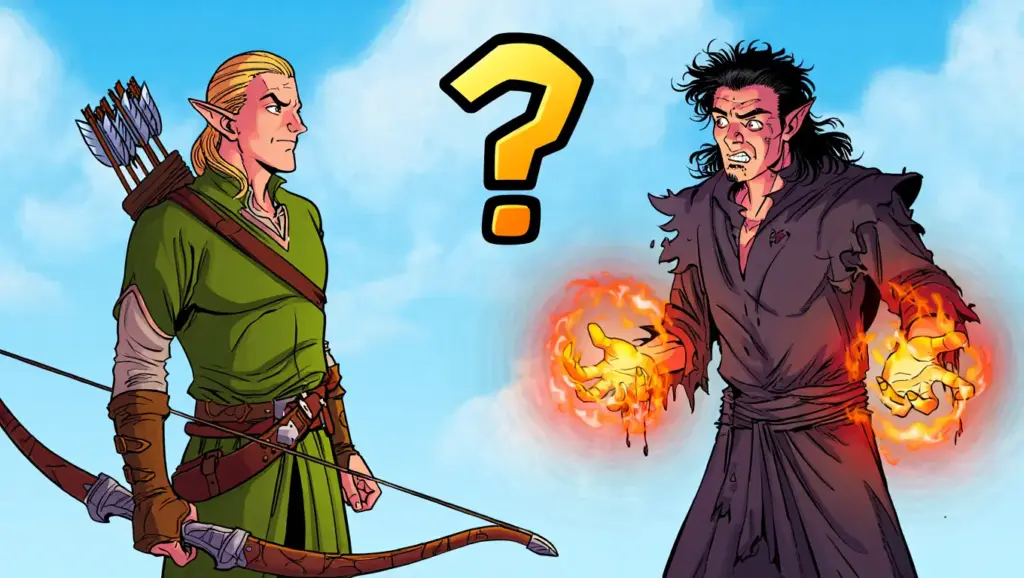
While most people search specifically for teammates, the term also holds a legendary spot in internet culture due to the viral series known as the looking for group animation. This parody of the MMORPG experience resonates deeply with anyone who has ever tried to organize a raid.
Overview of Looking for Group Animation
Originating from a webcomic, the looking for group animation gained massive popularity on platforms like YouTube. It satirizes the tropes of fantasy games, specifically World of Warcraft. It captures the absurdity of mixing serious role-players with chaotic trolls in a guild setting. The looking for group animation is famous for its distinct art style and catchy musical numbers that juxtapose violence with upbeat tunes.
The humor in the looking for group animation works because it is rooted in truth. It depicts the exact scenarios users face: the over-prepared leader trying to herd cats, and the chaotic neutral character who just wants to press buttons and watch things explode. Searching for a looking for group animation clip often leads to a nostalgic trip for gamers who grew up in the mid-2000s.
The Story and Characters Involved
The narrative of the looking for group animation centers on Cale (an elf hunter) and Richard (an undead warlock). Their dynamic is the classic “Odd Couple.” Cale represents the person who reads the quest text and wants to play the game “correctly.” Richard, the breakout star of the looking for group animation, represents the user who skips all dialogue and kills the quest giver for XP.
Richard is perhaps the most famous figure in the looking for group animation universe. He embodies the intrusive thoughts of every gamer. When a hero is in a stealth mission and has the urge to fire a rocket launcher just to break the silence, that is their inner Richard talking. The looking for group animation uses these characters to explore the friction between role-playing and “roll-playing.”
Impact on Gaming Culture
This series didn’t just entertain; it provided a vocabulary for gaming frustrations. The looking for group animation popularized the concept of “For Pony!” as a battle cry, confusing non-viewers but signaling shared culture among fans.
Phrases and scenes from the looking for group animation became shorthand for in-game situations. It humanized the avatar behind the screen. It showed that behind every elf or orc is a human who might just be bored, hungry, or looking to cause trouble. Recognizing the humor in the looking for group animation helps individuals maintain their sanity when a real-life guild attempt goes south. Even today, new users discover the looking for group animation and realize that the struggle to find a competent squad is timeless.
For those engaging in looking for group Valorant or other serious titles, watching the looking for group animation serves as a good reminder not to take things too seriously.
| Feature | The LFG Animation Archetype | Real Life Gaming Reality |
| The Leader | Cale: Serious, uptight, focused on rules. | The “Try-Hard” raid leader demanding perfection. |
| The Chaos Factor | Richard: Murderous warlock, ignores objectives. | The random teammate who rushes alone and dies. |
| The Healer | Benny: Often overlooked, keeps everyone alive. | The support player blamed when the tank dies. |
| The Tank | Crunch: Loyal, takes the brunt of damage. | The tank player suffering due to DPS mistakes. |
| The Goal | World domination or saving the world. | Winning the match (or just trolling). |
The table above illustrates why the looking for group animation remains relevant. Whether in a fantasy comic or a modern shooter, the “Richard” archetype—the person who causes chaos for laughs—is a hazard every looking for group game process tries to filter out. The looking for group animation serves as a cautionary tale wrapped in humor.
Here is the first episode that started it all, giving context to the humor that pervades gaming culture.
If you want quick context for why “LFG chaos” became a meme, start here. This is the iconic musical short that captures the exact mismatch between serious organizers and pure agents of chaos. It’s also a fun palate cleanser before jumping back into the practical LFG sections.
Recognize the archetypes: Every lobby has a Richard, try not to be him.
Best Practices for Joining a Gaming Group
Joining a squad is not a passive activity. It requires social effort. A gamer cannot simply enter a lobby from a looking for group game post and expect a win without contributing to the team dynamic.
Setting Expectations and Rules
The most successful units are those with clear boundaries. Before the session starts, the participants need to agree on the goal. Is this a “sweaty” run aiming for rank promotion, or a “chill” evening where losing is acceptable? Misalignment here destroys squads. If a user joins a looking for group game listing marked “Serious Rank Grind” and starts experimenting with new weapons, they are violating the unwritten contract.
- Define the Goal: Explicitly state if the lobby is competitive or casual.
- Mic Discipline: Agree on whether non-game chatter is allowed during rounds.
- Time Commitment: State how many matches are planned.
- Tilt Management: Agree to take a five-minute break if the team loses two times in a row.
Ensuring Compatibility with Potential Group Members
Compatibility goes beyond skill rating. It involves personality and communication style. Spend two minutes in the chat before queuing. This “vibe check” saves thirty minutes of misery. Does the leader interrupt everyone? Is someone playing music loudly? These are signs to leave the party before the match locks in.
According to Hate is No Game: Hate and Harassment in Online Games—a survey-based report produced by the Anti-Defamation League’s Center for Technology and Society—76% of adult players reported experiencing harassment in online multiplayer games in 2023. (2023, Anti-Defamation League – Center for Technology and Society)
This staggering statistic reinforces the necessity of strict compatibility checks. It is better to leave a lobby early than to endure harassment for forty minutes. When looking for group Valorant, checking these vibes is as important as checking rank.
Dealing with Conflicts in Gaming Groups
Even in curated units, tension arises. How a person handles it defines their reputation. When a teammate makes a mistake, the natural reaction is often frustration. However, criticism during a round rarely improves performance. Instead of asking “Why did you do that?”, try “Next time, let’s group up before pushing.” This shifts the focus from the individual’s failure to the future strategy. In a looking for group game environment, being the peacemaker often preserves the roster for future wins.
“Great things in business are never done by one person. They’re done by a team of people.”
— Steve Jobs, Apple co-founder and then-CEO of Apple, speaking in a “60 Minutes” interview (2003).
This quote applies perfectly to gaming. The solo genius is a myth; the coordinated team is the reality of success.
Clear expectations prevent resentment; say what you want from the session before the first match starts.

Benefits of Participating in Group Games
The effort required to find a squad pays off in dividends. The experience of playing a looking for group game with a coordinated unit is vastly superior to the isolation of solo play.
Social Benefits and Making New Friends
Gaming is a third place—a social environment separate from home and work. Many individuals find their closest friends through digital play. Sharing a high-stress victory creates a bond. Regulars in a looking for group game roster often move conversations to private servers, discussing life, work, and hobbies. Friends often move conversations to private servers, discussing life, work, and even travel plans to unique shopping districts.
A study highlighted by the Oxford Internet Institute at the University of Oxford found that time spent playing was positively associated with wellbeing, and suggested that experiences of competence and social connection through play may help explain that link. (2020, Oxford Internet Institute)
This confirms that the act of grouping up contributes to mental health, provided the environment is positive. If you want the same team vibe offline, try a strategic tabletop night with a group you can meet regularly.
Improving Game Skills Through Collaboration
Playing with a team accelerates the learning curve. In a random lobby, no one has the incentive to teach. In a consistent squad, stronger participants have a vested interest in helping weaker ones improve. They share tips on crosshair placement, rotation strategies, and ability usage. A looking for group Valorant squad often acts as a coaching session where members analyze their mistakes together post-match without the fear of ridicule.
Access to Exclusive Group Content and Events
Many titles lock high-end content behind roster requirements. MMOs have raids that literally cannot be entered solo. Shooters have “Clash” tournaments or “Premier” modes that require a full team. Engaging in looking for group game activities unlocks these layers of the title. It allows users to experience the content as the developers intended—coordinated, strategic, and epic. Even fans of the looking for group animation know that the best loot comes from the hardest guild raids.
Friendship is the ultimate endgame content; the wins are just a bonus.
Challenges and Solutions in Looking for Group Games
It is not always smooth sailing. The looking for group game process has inherent friction points that discourage many people from trying it more than once.
Common Challenges Faced by Players
The biggest hurdles are time, flakiness, and the fear of rejection. A common frustration in looking for group game circles is finding a great teammate who simply disappears the next day. This is known as “ghosting.” Individuals often add each other, play one great session, and then never speak again. This lack of permanence makes the process feel like a continuous grind.
Effective Solutions for Group Coordination
To combat ghosting, schedule the next session before the current one ends. “Same time tomorrow?” creates a commitment. Also, moving the conversation to a dedicated Discord server helps maintain the relationship outside the client.
- Check Availability: Ask “What days do you usually play?” immediately.
- Set a Schedule: “Lets do Tuesdays and Thursdays” creates a routine.
- Exchange Discord: In-game chats are easily ignored; Discord pings are not.
- Be Proactive: Don’t wait for them to invite you; be the one to send the invite.
- Accept Rejection: Sometimes people just want to play solo; don’t take it personally.
Tools and Resources to Enhance Group Play
Technology can bridge the gap between strangers. For squads spanning multiple time zones, tools like Doodle or simple Discord bots (like Apollo) are lifesavers. They convert times automatically, preventing the “Wait, is that 8 PM EST or PST?” confusion. Utilizing these tools professionalizes the looking for group game process, signaling to others that the organizer respects their time.
For those dealing with difficult teammates, this video offers psychological tricks to diffuse tension.
Even a well-vetted squad will occasionally run into tilt, blame, or one person trying to dominate comms. This video focuses on practical, in-game ways to de-escalate toxicity without feeding it—so you can protect team performance and your own mental. Use it as a playbook for when you need to reset the tone mid-session.
In the context of looking for group Valorant, specific tools like ValoPlant allow teams to draw strategies on a map before the round starts. This level of coordination is impossible with randoms. Even the chaotic characters in the looking for group animation would benefit from a strategy board.
Future Trends in Looking for Group Games
The way competitors find each other is changing. The days of scrolling through forum text posts are numbered as technology advances.
Technological Advances in Group Gaming
As titles become more complex, the matchmaking algorithms are becoming smarter. Developers are experimenting with systems that track not just skill, but behavior. If a user frequently uses a microphone and receives “Sportsmanship” endorsements, the system will prioritize matching them with similar people. This automated looking for group game logic aims to reduce the need for manual searching by making the default matchmaking better.
Emerging Platforms for Group Finding
The platform landscape is shifting from general forums to hyper-specific apps. The future of looking for group game solutions lies in integration.
The Role of AI in Group Matching
Artificial Intelligence is the next frontier. Imagine an AI that analyzes voice comms from previous sessions to determine a person’s communication style and matches them with a compatible partner. AI could theoretically analyze a playstyle in looking for group Valorant scenarios—identifying that Player A is an aggressive entry fragger and Player B is a passive support—and suggest they team up before they even meet.
According to the Unity Gaming Report 2023, large studios drove year-over-year growth in multiplatform and cross-platform development, reinforcing the push for social systems that work seamlessly across devices. (2023, Unity Technologies)
This suggests that future looking for group game tools will be platform-agnostic, allowing Xbox, PlayStation, and PC enthusiasts to form groups seamlessly through centralized hubs. This tech might finally solve the chaos depicted in the looking for group animation by pairing the Richards with other Richards, leaving the serious gamers to win in peace.
The future of LFG is not finding players; it’s finding the right players automatically.

FAQ
How do I find a group if I have social anxiety?
Start small by searching for “No Mic” or “Ping Only” parties initially. Many looking for group game posts specifically cater to shy individuals or those who prefer listening over talking. Using text-based LFG channels in Discord allows you to vet people before ever speaking, which reduces the pressure of the initial interaction significantly.
Is it safe to join random Discord servers for LFG?
Generally, yes, if you stick to large, verified community servers. Official game Discords usually have moderation teams that ban toxic users and scammers. Avoid clicking on suspicious links sent by strangers in private messages, even if they claim it is for a “tournament registration,” as this is a common scam in looking for group Valorant circles.
What is the best time of day to look for a group?
The “prime time” is usually between 7 PM and 10 PM in your region’s time zone. This is when the pool is largest, giving you more options to filter for quality. However, late-night “sweat” lobbies (past 1 AM) often contain the most dedicated hardcore competitors, which can be good for ranking up if you can keep up with the intensity.
Can I use LFG tools for console games?
Absolutely. While Discord is PC-centric, the mobile app is widely used by console gamers for looking for group game coordination. Additionally, Xbox has a built-in “Looking for Group” feature on the dashboard that is surprisingly robust, and PlayStation has similar community features. You are not limited just because you aren’t on a computer.
Why do people leave the group after one loss?
This is known as “rage quitting” or having a weak mental game. It usually has nothing to do with you. These participants have unrealistic expectations and blame external factors for every loss. In the long run, it is better they leave early, as they would likely become toxic in a difficult match later on.
Conclusion
Finding the right squad is a skill that pays off every time you log in. It transforms gaming from a coin-toss into a consistent, enjoyable hobby. By understanding where to look, how to vet potential teammates, and how to communicate effectively, any person can escape the “ELO hell” of solo queuing. Whether utilizing a looking for group Valorant Discord or laughing at the accuracy of the looking for group animation, the core truth remains: gaming is better together. A solid looking for group game strategy is the bridge between frustration and victory.
Don’t settle for silence. Take control of the experience. Start by joining one Discord server today, introducing yourself, and playing one match with a pre-made squad. The difference in quality will be immediate and tangible.
To help you vet your next squad quickly, there is a comprehensive “Teammate Compatibility Checklist” available. It covers the essential questions to ask and red flags to spot before you commit to a ranked session, saving you hours of wasted time.

What is the funniest or worst excuse a random teammate has given you for leaving a match early? Drop a comment below!
Source
- 2023 Essential Facts About the U.S. Video Game Industry — 2023, Entertainment Software Association (research conducted by Circana, U.S.).
- What Investors Need to Know About Hate & Harassment in Online Games — 2023, Anti-Defamation League (Center for Technology and Society) survey summarized by JLens.
- Groundbreaking new study says time spent playing video games can be good for your wellbeing — 2020, Oxford Internet Institute (University of Oxford).
- Unity Gaming Report 2023 Highlights the Resilience of the Gaming Industry — 2023, Unity Technologies (Unity Gaming Report 2023).
- Steve Jobs, 2003, Steve Jobs in his own words (CBS News; excerpted from “60 Minutes”).